Whether you’ve experienced a pregnancy loss or are facing uncertainty, you’re not alone. This guide was created with care to support you during this time.
Pregnancy loss can bring a wide range of emotions, questions, and decisions. Every experience is unique, and not every part of this guide may feel right for you—but we hope some parts offer comfort and support as you navigate your care with your healthcare team.
Things may feel overwhelming, unfamiliar, or heavy right now. We hope this guide offers moments of clarity, connection, and reassurance as you move through this in your own way, at your own pace.
What you'll find in this guide
A starting point: Information, support and guidance
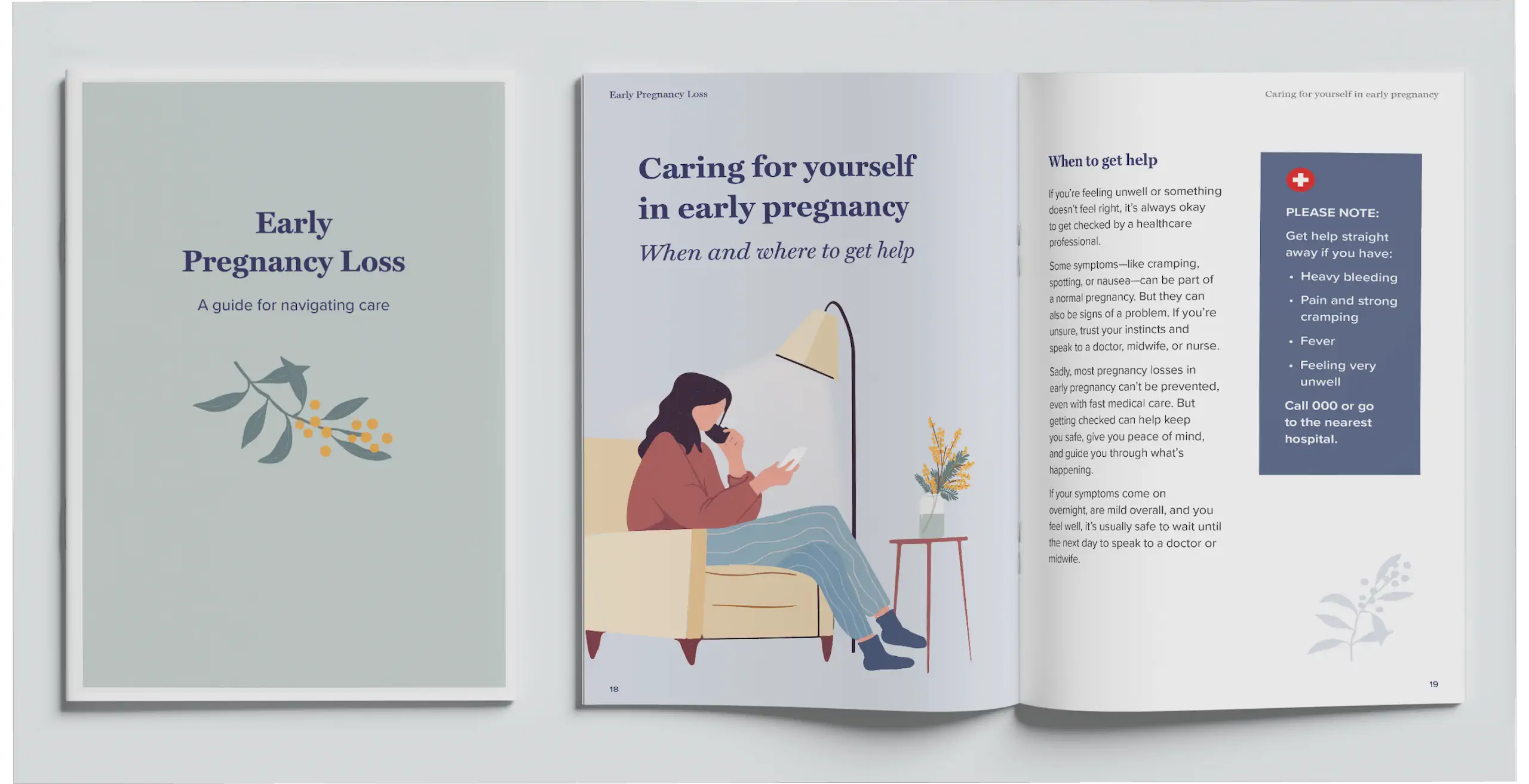
Caring for yourself in early pregnancy: When and where to get help
Understanding types of pregnancy loss before 20 weeks
This guide is for parents navigating pregnancy loss before 20 weeks gestation. It was developed collaboratively by parents with lived experience, healthcare professionals, researchers, and support organisations.
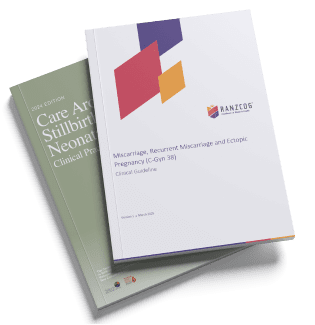
It brings together information from Australia’s first national guideline for miscarriage, recurrent miscarriage, and ectopic pregnancy, published by the Royal Australian and New Zealand College of Obstetricians and Gynaecologists (RANZCOG) in 2025. It also draws on state and territory guidelines, as well as best practice recommendations from Chapter 3: Perinatal Loss Care of the Care Around Stillbirth and Neonatal Death Clinical Practice Guideline (CASaND Guideline, 2024), developed by the Centre of Research Excellence in Stillbirth (Stillbirth CRE) and the Perinatal Society of Australia and New Zealand (PSANZ).
This guide presents this guideline information in a clear and compassionate way—so you can feel more supported, informed, and empowered to make decisions that are right for you and your family during this time.
This guide was developed by the NHMRC Centre of Research Excellence in Stillbirth (Stillbirth CRE), based at Mater Research in Brisbane, Australia in partnership with Pink Elephants Support Network.
We kindly acknowledge the generous support from the Australian Government and the Nine Telethon Mater Little Miracles campaign.
This work is licensed under a Creative Commons Attribution–NonCommercial–NoDerivatives 4.0 International Licence (CC BY-NC-ND 4.0).
Acknowledgement of Country
We acknowledge the Traditional Custodians of the lands on which this guide may be read—the Aboriginal and Torres Strait Islander peoples—whose rich cultures and traditions have long honoured the sacred journey of life, loss, and renewal.
We pay our respects to Elders past and present and recognise their deep and enduring connection to the lands, waters, and skies of Australia.
In creating this guide, we also honour the diversity of families who walk this path. Australia is shaped by many cultures, religions, and traditions. We recognise the unique ways families from all backgrounds honour their loved ones and navigate the experience of pregnancy and baby loss—and the journeys that follow.
Artist acknowledgement
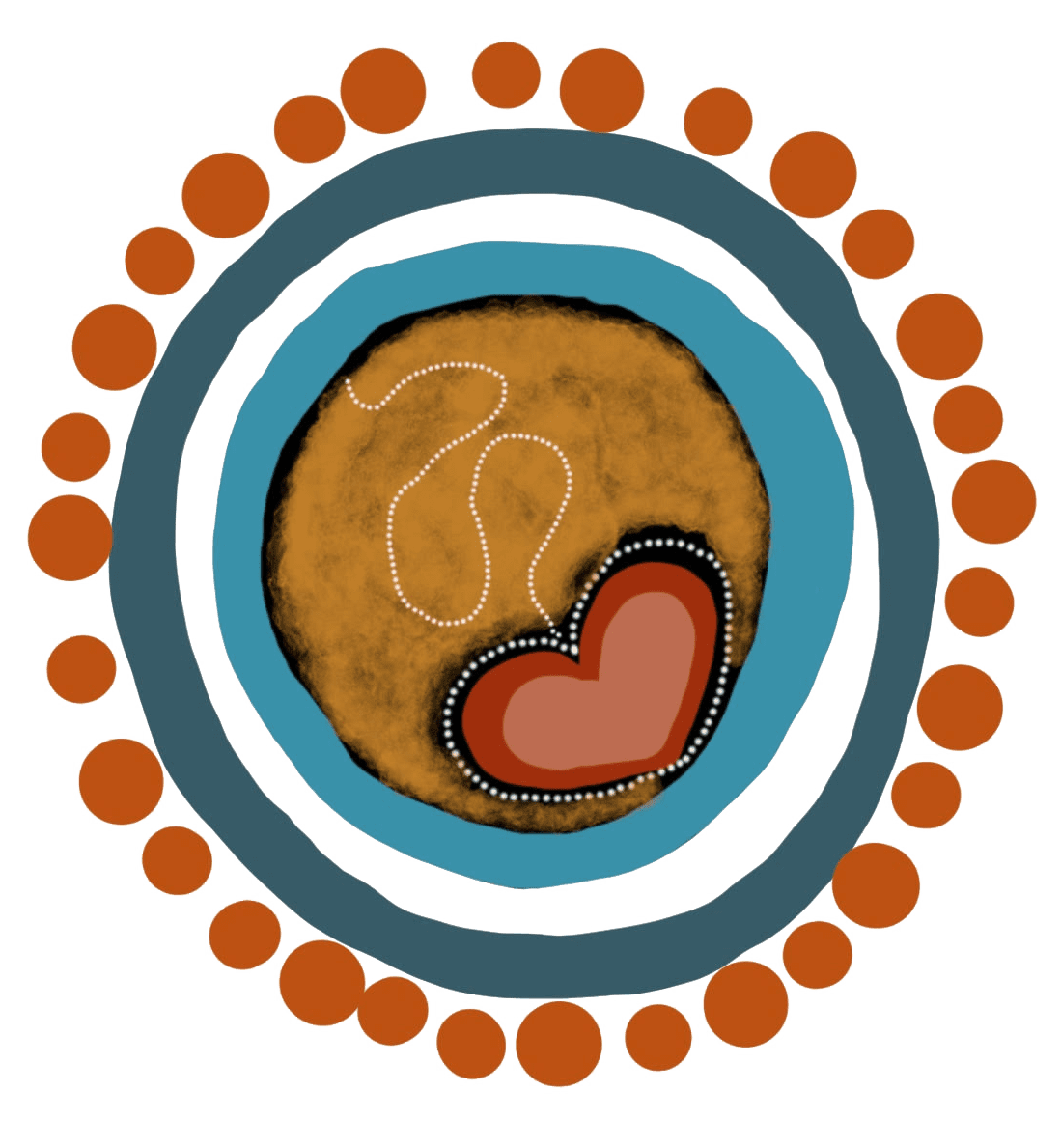
We gratefully acknowledge Valerie Ah Chee, a Nyoongar Bindjareb and Palyku woman, midwife, and member of the Stillbirth CRE, for sharing her artwork and cultural insight in this guide.
Her illustration shows a baby in the shape of two hearts within the womb—representing the heart of the baby and the heart of the mother. It reflects the deep connection during pregnancy, a sacred time when two heartbeats are carried together, until the baby is born or returns to the Dreaming.
Used with permission. Valerie has contributed to this project with care and intention.
Western Pacific Regional Office of the International Stillbirth Alliance
Coordinating Centre, Stillbirth and Neonatal Death Alliance, Perinatal Society of Australia and New Zealand
Level 3, Aubigny Place
Mater Research Institute
Raymond Terrace,
South Brisbane QLD 4101
The University of Queensland Faculty of Medicine